
Stone Material Specifications: The Key to Unlocking Your Building Dreams
Introduction
When it comes to building a dream home or a sturdy structure, the quality of the materials used plays a crucial role in ensuring its durability and longevity. Among all the building materials available, stone is one of the most versatile and reliable options. However, with so many types of stone materials available in the market, it can be overwhelming to choose the right one for your project. In this article, we will explore the different stone material specifications and their applications, helping you make an informed decision for your building needs.
Types of Stone Materials
Stone materials can be broadly classified into two categories: natural stone and engineered stone. Natural stone is quarried from the earth and has been used for construction for centuries. It is available in various colors, textures, and patterns, making it a popular choice for both interior and exterior applications. Some of the most commonly used natural stone materials include granite, marble, limestone, and sandstone.
Engineered stone, on the other hand, is a man-made material created by combining natural stone particles with resin and other adhesives. It is more affordable than natural stone and offers greater flexibility in terms of color and design options. Some popular engineered stone brands include Caesarstone and Silestone.
Stone Material Specifications
When selecting stone materials for your building project, it is essential to consider the following specifications:
1. Compressive Strength: This refers to the ability of the stone to withstand pressure and weight. A higher compressive strength indicates a more durable and long-lasting material.
2. Porosity: The porosity of the stone affects its ability to resist water and stains. A lower porosity means a more resistant material.
3. Hardness: The hardness of the stone determines its resistance to scratches and wear. A higher hardness rating indicates a more durable material.
4. Absorption: The absorption rate of the stone affects its resistance to water and stains. A lower absorption rate means a more resistant material.
5. Density: The density of the stone affects its weight and durability. A higher density indicates a more durable material.
Applications of Stone Materials
Stone materials have numerous applications in building and construction, including:
1. Countertops: Natural stone countertops are a popular choice for kitchens and bathrooms due to their durability and aesthetic appeal.
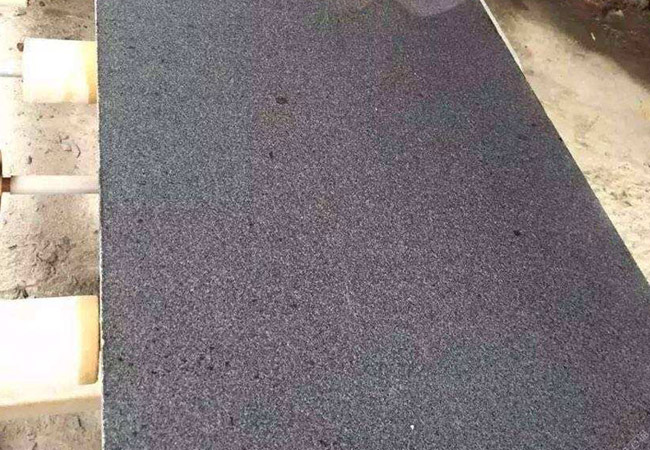
2. Flooring: Stone flooring is a versatile and long-lasting option for both indoor and outdoor spaces.
3. Walls: Stone walls can add a touch of elegance and sophistication to any building, while also providing insulation and durability.
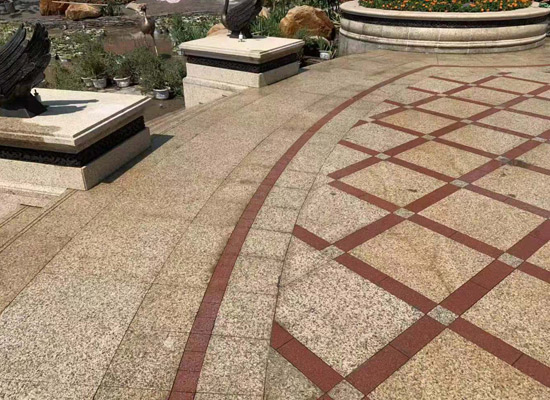
4. Paving: Stone paving is a popular choice for outdoor spaces such as patios, walkways, and driveways.
5. Landscaping: Stone materials can be used for landscaping purposes, such as retaining walls, garden borders, and decorative features.
Conclusion
Stone materials are a versatile and reliable choice for building and construction projects. With so many types and specifications available, it is essential to consider your project's specific needs and requirements. By understanding the different stone material specifications and their applications, you can make an informed decision and ensure the success of your building project. Whether you choose natural stone or engineered stone, you can rest assured that your project will be built to last with the right stone materials.
小院石材鋪裝找平方法:砂漿配比與地面平整度控制
 小院地面要想經年累月不走樣,鋪裝時的找平環節直接決定了未來會...2026-05-06
農村小院石材鋪裝施工方法詳解
 農村小院鋪石材,看著簡單,實際上一腳踩下去全是門道。干這行十...2026-05-05
庭院石材鋪裝收邊做法小院設計
 院子鋪石材,百分之九十的問題都出在收邊。去年我去成都一個項目...2026-05-05
小院設計石材鋪裝排水坡度多大
 干了十幾年石材活兒,最怕聽到的一句話是“師傅,您看著辦,差不...2026-05-05
石欄桿加工廠提供橋欄桿及大理石扶手欄桿的米單價明細
 石欄桿加工廠的實際報價,從來不是一張統一定價表能覆蓋的。橋欄...2026-04-30
石材臺階石鋪裝加工中轉角部位切割與拼接方式
 轉角并非僅指90交界。實際項目中存在三種典型形態:平面直角(...2026-04-29
室外臺階石加工鋪裝后表面清洗時機與用水要求
 清洗用水本身存在明確物理約束。北京建材院2023年對12種常...2026-04-29
臺階石加工鋪裝中預埋件與石材固定連接構造做法
 預埋件類型選擇需匹配基層條件與荷載路徑。現澆混凝土基層宜采用...2026-04-29
石材廠家電話:17115012356
石材廠家地址:山東省臨沂市北方石材城
Copyright ? 2020-2026 礦山源頭花崗巖工廠.花崗巖石材批發廠家 版權所有|石材價格|石材加工工藝|石材批發市場 魯ICP備2022010636號